Court vacations and the need for regular/minimum Bench sittings.
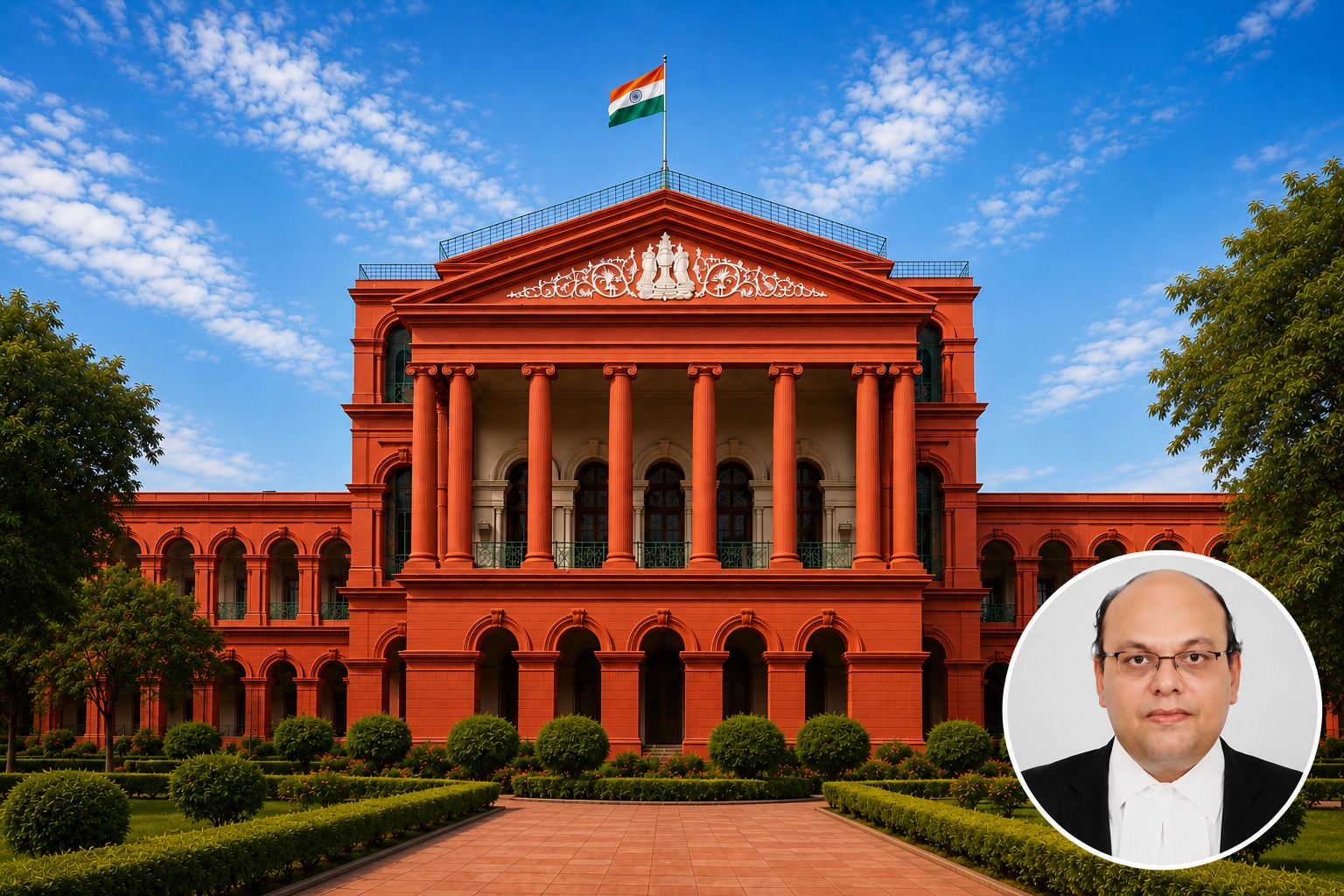
On 14 May 2026, Justice S R Krishna Kumar of the Karnataka High Court held the vacation bench sitting from 9 AM to 7PM to take up urgent cases listed before him. There were more than 300 matters listed and the workload was enormous. Though the judge could handle the matters with patience and judicial temperament, there is a need for improvement in the vacation sitting.
Judicial vacations have historically been intended to provide a brief institutional pause in the functioning of constitutional courts. Yet, in practice, court work never truly stops.
During vacation periods, particularly those extending for nearly twenty days, High Courts and the Supreme Court continue to entertain urgent matters involving personal liberty, demolition drives, stay applications, interim protections, election disputes, service matters, commercial emergencies and countless other pressing concerns.
However, the present arrangement during vacations reveals a serious structural imbalance. The sittings are usually confined to only a few benches and a limited number of judges. While the number of functioning courts is reduced, the inflow of urgent matters often remains disproportionately high. As a result, the burden upon the judges assigned to vacation benches becomes enormous. In several instances, judges are compelled to hold court for nearly ten hours continuously, dealing with extensive cause lists under immense pressure and physical strain.
Such prolonged sittings are neither desirable for the institution nor sustainable for the judges. Judges are required to hear, analyse, deliberate and dictate orders with clarity and precision. Excessive workload during vacation sittings may impose avoidable stress upon the judges discharging these responsibilities.
The issue, therefore, is not whether courts should function during vacations. They unquestionably must. The real concern is whether the existing model sufficiently distributes the burden of urgent judicial work. A more balanced and institutional approach is necessary.
One practical solution would be to ensure at least one regular bench (both single and division) sitting throughout the vacation period. Such an arrangement would considerably reduce the extraordinary pressure presently placed upon a handful of judges. It would also enable better distribution of cases, reduce overcrowding before limited vacation benches and ensure smoother judicial functioning.
A regular bench sitting during vacations would not undermine the concept of judicial recess. Rather, it would modernise the system in accordance with present realities.
Litigation has expanded exponentially over the years due to population growth, commercial activity, regulatory frameworks and increasing public awareness of legal rights. The volume and complexity of urgent litigation today are vastly different from what existed decades ago when traditional vacation structures evolved.
The judiciary must continuously adapt its administrative mechanisms to contemporary demands. Just as courts have embraced technology, virtual hearings and digitisation, there is equal necessity to revisit institutional arrangements relating to vacation sittings. Judicial efficiency must coexist with judicial well-being.
Ultimately, the objective is not to increase the burden upon judges, but to distribute it rationally and humanely. A system where a few judges are required to sit for almost ten hours daily during vacations reflects the need for immediate administrative introspection. The institution would greatly benefit from a more structured and balanced vacation roster with regular bench sittings, ensuring both effective access to justice and sustainable working conditions for judge.
Basavaraj S. Senior Advocate.