• Log In
  • Sign Up
  • 9980065416
Daksha Legal Logo
  • HOME
  • BARE ACTS
  • JUDGMENTS
  • ARTICLES
  • NEWS
  • SEMINARS
  • LAWYERS DIRECTORY
  • Courts
  • ಕನ್ನಡ
Search Sign Up
Search by Citation | Daksha Legal - - -
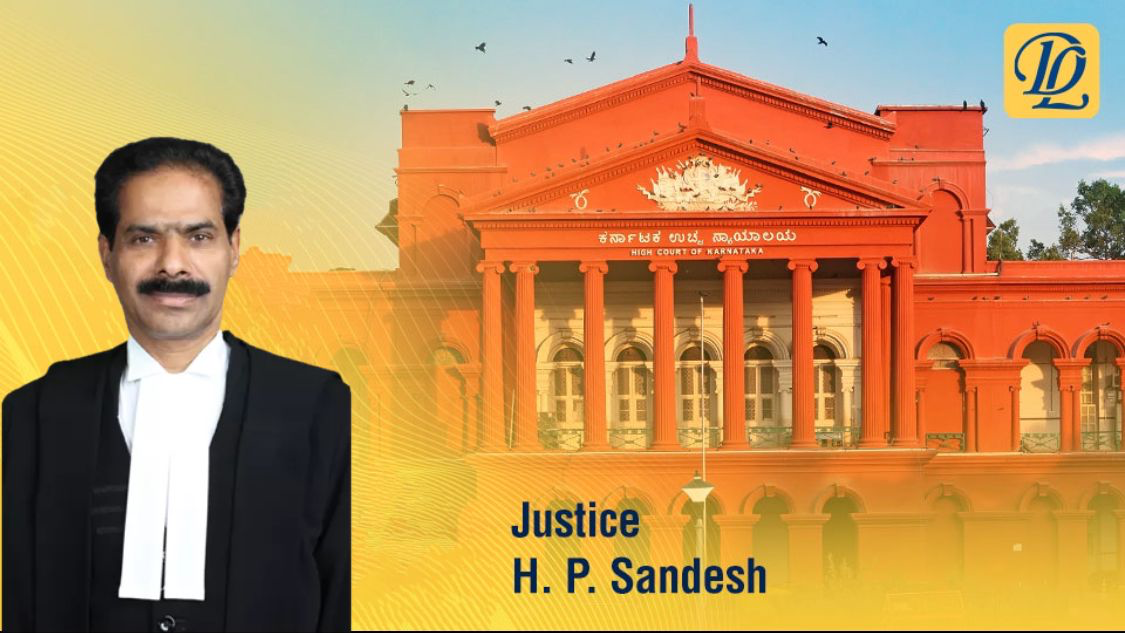
''What is offered to God must remain with God and with no one else''. A trustee who is the custodian of property dedicated to a deity cannot treat it as personal property. The office carries a duty to preserve and protect the deity’s property, not a right to appropriate it for personal benefit. Karnataka High Court.
  • 14-November-2026
  • Daksha Legal
Judgement
Service Law. A candidate who deliberately suppresses a disqualifying medical condition cannot retain public employment, even if similarly situated candidates were provisionally appointed. Supreme Court.
  • 14-November-2026
  • Daksha Legal
Judgement
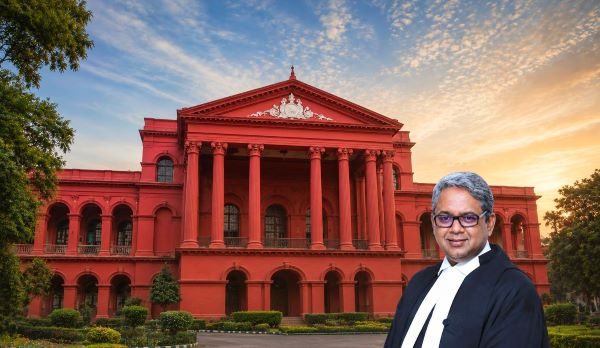
Why is a regime-change revolution difficult in India?
  • 21-October-2026
  • Daksha Legal
Article
News
  • 12-November-2026 Hindu Succession Act. Property inherited by children as Class I heirs of a male Hindu dying intestate is held by them in their individual capacity and does not become coparcenary property in relation to their own children. Consequently, grandchildren do not acquire right by birth in such property and cannot seek partition. Supreme Court.
  • 02-November-2026 High Court of Karnataka Rules. Rule 16 Chapter XIII. High Court registry cannot insist on payment of process fee for notices issued in respect of criminal appeals or references or revision except in cases of appeals or revisions against acquittal, at the instance of private complaints or parties. Karnataka High Court contemplates passing a judicial order.
  • 23-October-2026 From legislative ambiguity to judicial uncertainty: The case for reforming India's law-making process.
  • 21-October-2026 Why is a regime-change revolution difficult in India?
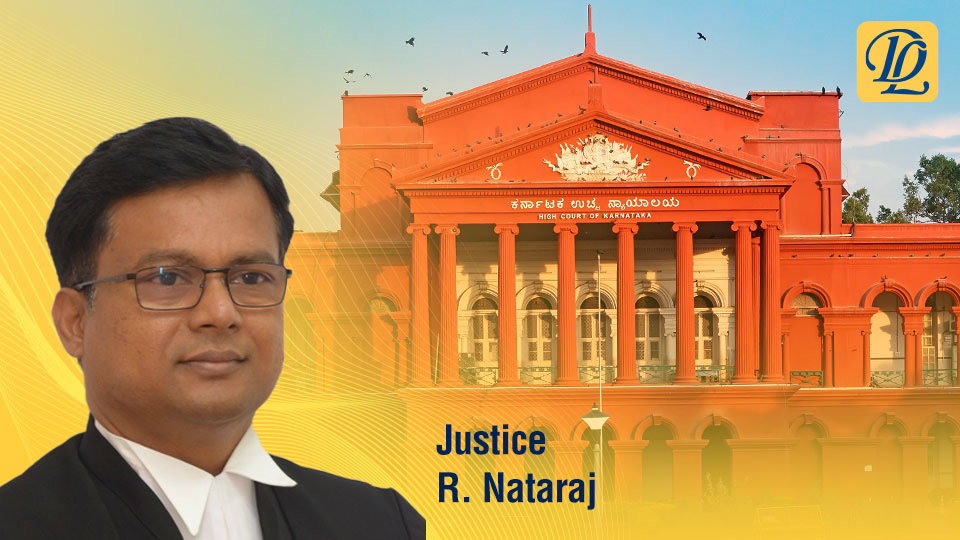
Complaint and counter-complaint in different States presenting rival version of the same transaction is not barred merely because an earlier FIR exists, nor does its later filing alone render it a counterblast. Both complaints must be investigated independently and impartially, with coordination between the investigating agencies where necessary, and each assessed on its own merits. Karnataka High Court.
  • 14-November-2026
  • Daksha Legal
Judgement
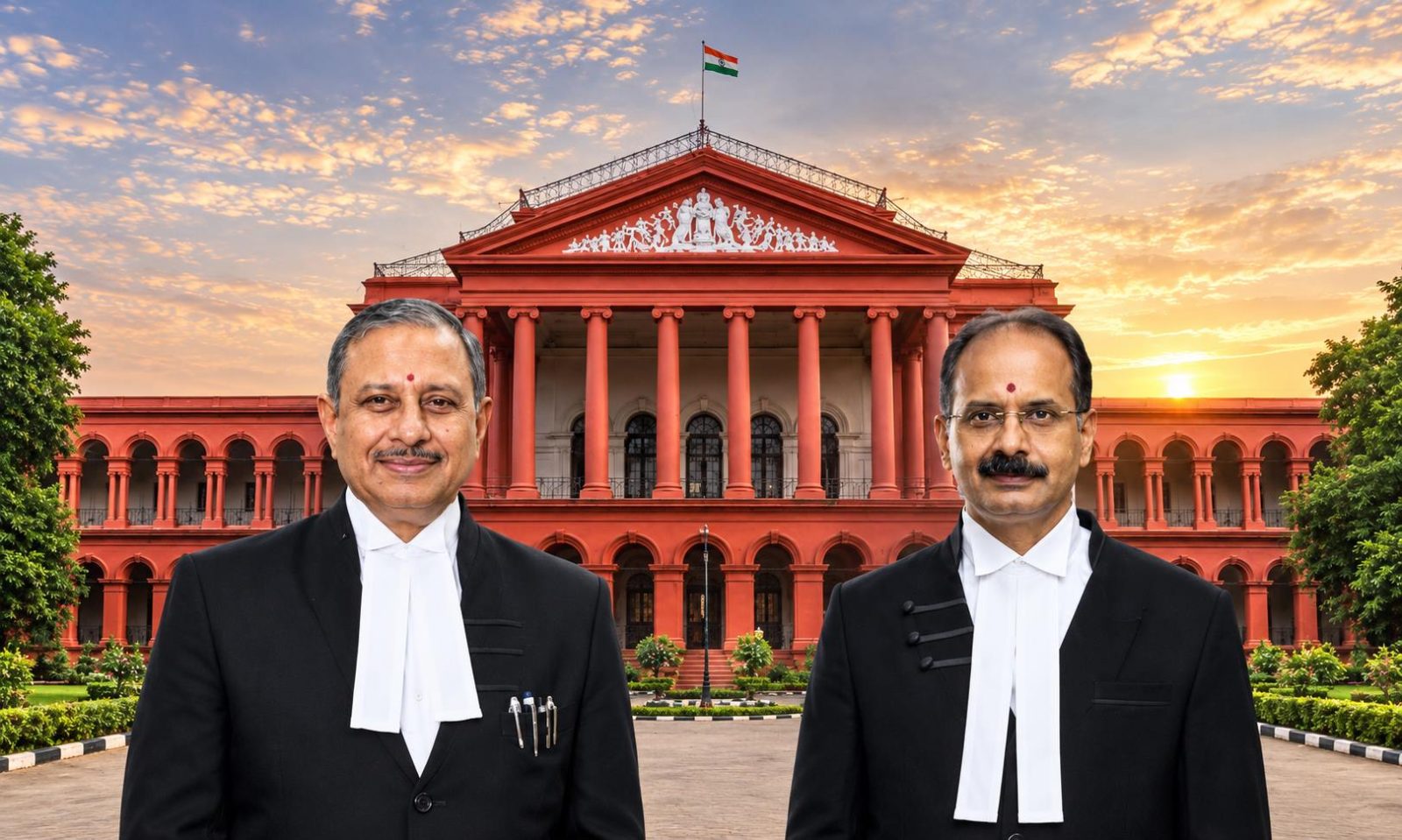
Article 19. The rights to move freely throughout India and to reside and settle in any part of the country are available only to Indian citizens, not to foreigners. However, a person’s identity and citizenship status must be ascertained in accordance with law before imposing restrictions on that basis. Karnataka High Court.
  • 14-November-2026
  • Daksha Legal
Judgement
An insufficiently stamped instrument is admissible in criminal proceedings, including proceedings under Section 138 of the Negotiable Instruments Act. Even if the instrument is impounded, payment of deficient stamp duty and penalty cannot be made a condition precedent to its admission in evidence. Karnataka High Court. 2026 Daksha Legal Kar 1808.
  • 14-November-2026
  • Daksha Legal
Judgement
Where an Executing Court considers an application under Order XXI Rule 58 or Rules 97 to 101 of the CPC, evaluates the documents, and renders a finding on merits, the order constitutes an adjudication under the Code and attains the status of a deemed decree under Order XXI Rule 58(4) and Rule 103 of the CPC. Consequently, a writ petition under Article 227 of the Constitution of India is not maintainable, and the aggrieved party must avail the alternative statutory remedy of an appeal. Karnataka High Court.
  • 14-November-2026
  • Daksha Legal
Judgement
A suit for partition is founded on a continuing cause of action, with no prescribed period of limitation. Properties acquired under a registered settlement deed constitute separate or self-acquired properties in the hands of the recipient, whose children are entitled to equal shares. A co-sharer whose share is sold by another co-sharer is not required to seek a declaration or cancellation of a sale deed executed. Karnataka High Court.
  • 14-November-2026
  • Daksha Legal
Judgement
An employer cannot invoke estoppel merely because an employee accepted regular appointment from a later date to deny retrospective regularisation and consequential back wages already secured under a judicial order that has attained finality. Imposing fresh conditions contrary to that order constitutes an abuse of the employer’s unequal bargaining power, and acceptance of such conditions does not defeat the employee’s accrued entitlement. Supreme Court.
  • 13-November-2026
  • Daksha Legal
Judgement

Become A Member Get Instant Update

Daksha Legal Seminars

Bail & Anticipatory Bail - M.S. Shyamsunder, Advocate, Bangalore

  • 09-December-2020 06:20

Woman as Coparcener. Legal Implications - Justice N Kumar

  • 09-December-2020 06:18

Real Estate (Regulation and Development) Act, 2016 - Anup Shah

  • 09-December-2020 06:18

Instruments Not Duly Stamped - Justice A N Venugopalagowda

  • 09-December-2020 06:18

Withdrawal and Adjustment of Suits - Justice A N Venugopalagowda

  • 09-December-2020 06:18

Judicial Review jurisdiction Prayers and Reliefs Mr Mohan V Katarki Senior Advocate Supreme Court

  • 09-December-2020 06:18

Rejection of Plaint Justice A N Venugopalagowda 16 Sept 2020

  • 09-December-2020 06:18

Insolvency and Bankruptcy Code, 2016

  • 09-December-2020 06:18

Driving License and Defence to Insurer - Mr S P Shankar Senior Advocate

  • 09-December-2020 06:18

Termination of Contract & Drafting Termination Clause & Termination Notice - Ajay Nandalike. Adv.

  • 09-December-2020 06:18

Daksha Legal Seminar Justice Ashok B Hinchigeri. "Civil Procedure Code. Order 26 Rule 9"

  • 25-November-2020 06:12

Daksha Legal Online seminar on disability laws with Jayna Kothari, Senior Advocate, Bangalore.

  • 25-November-2020 06:12

Article 370 - Bridge or Barricade? Seminar conducted by Daksha Legal - Mr. J Sai Deepak, Advocate

  • 25-November-2020 06:12

Daksha Legal discussion on Latest Judgement of Karnataka High Court on Hindu Law.

  • 25-November-2020 06:11

Client Reviews

Client Review 1
Client Review 2
Client Review 3
Client Review 4
Pre-emptive suit by testator for avoiding disputes regarding execution and proof of Will.
  • 21-September-2025
  • Daksha Legal
Article
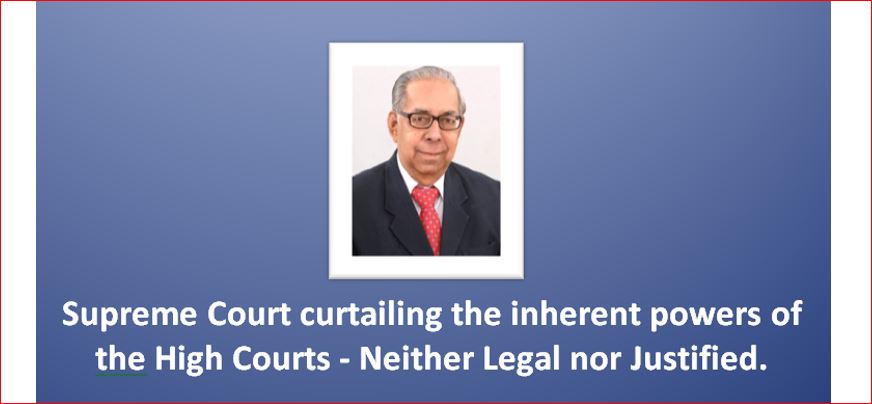
'Supreme Court curtailing the inherent powers of the High Courts. Neither Legal nor Justified'. - B.V.Acharya, former Advocate General for Karnataka.
  • 07-November-2024
  • Daksha Legal
Article
Tender. When the intending party responds to the tender notice, it is not permissible for such party to put forth its own conditions and seek variance in the conditions of tender. Karnataka High Court.
  • 08-October-2024
  • Daksha Legal
Article
Suit for specific performance. Purchaser of suit property from the defendant/vendor is a necessary party to the suit and can be impleaded. Karnataka High Court.
  • 03-October-2024
  • Daksha Legal
Article
Suit for specific performance. Plaintiff can seek amendment of pleading to declare that collusive decree between his vendor and third party is not binding on him. Court must prevent multiplicity of the proceedings. Karnataka High Court.
  • 01-October-2024
  • Daksha Legal
Article
Tender. Courts cannot interfere with the terms of the tender because it feels that some other terms would have been fair, wiser or logical. Karnataka High Court.
  • 30-September-2024
  • Daksha Legal
Article
Daksha Legal Logo

    Quick Links

  • Home
  • Articles
  • Judgements

© All Rights Reserved. Daksha Legal. Website Development by: Right Turn | Privacy Policy