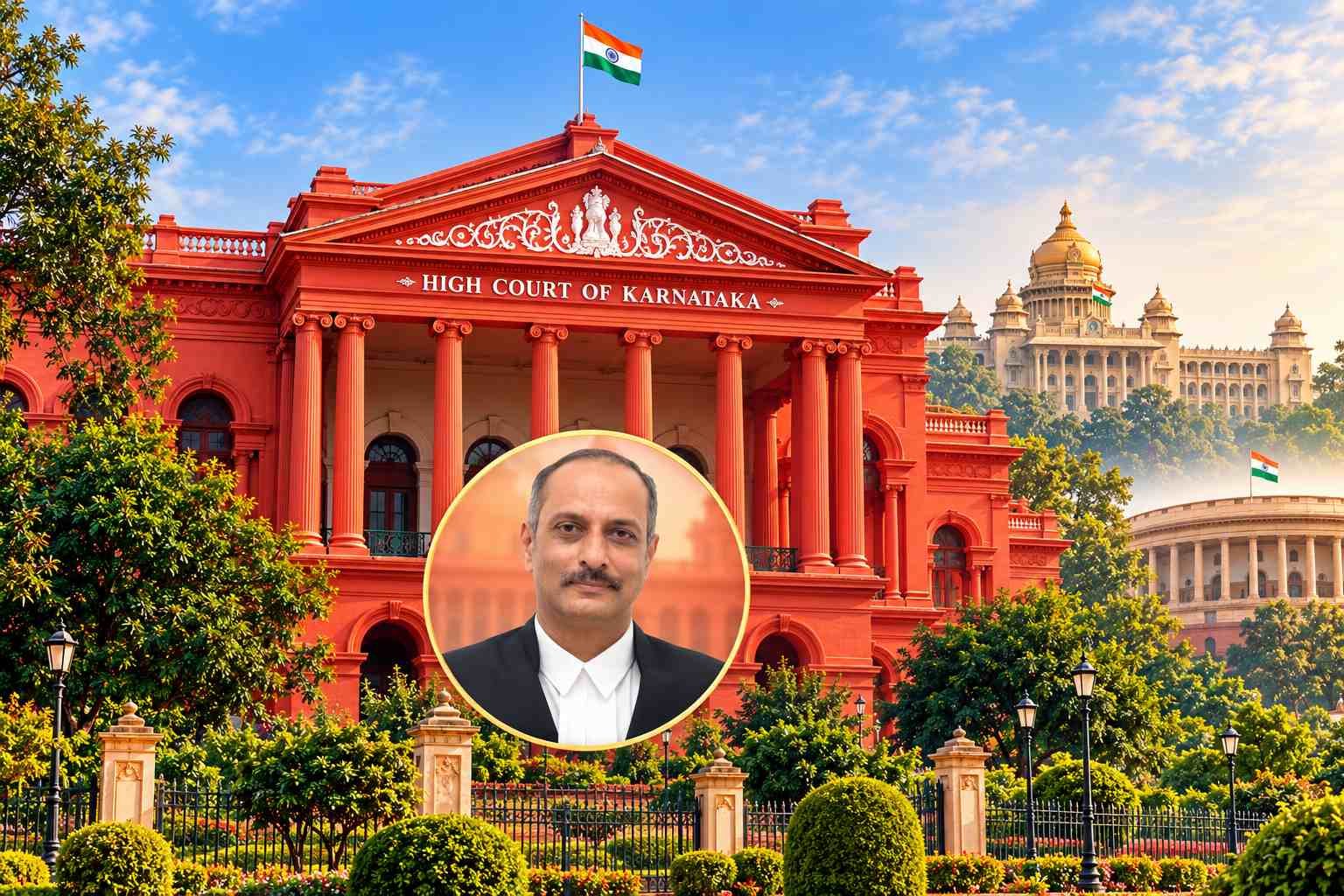
Justice Suraj Govindaraj to be part of Supreme Court's Artificial Intelligence Committee.
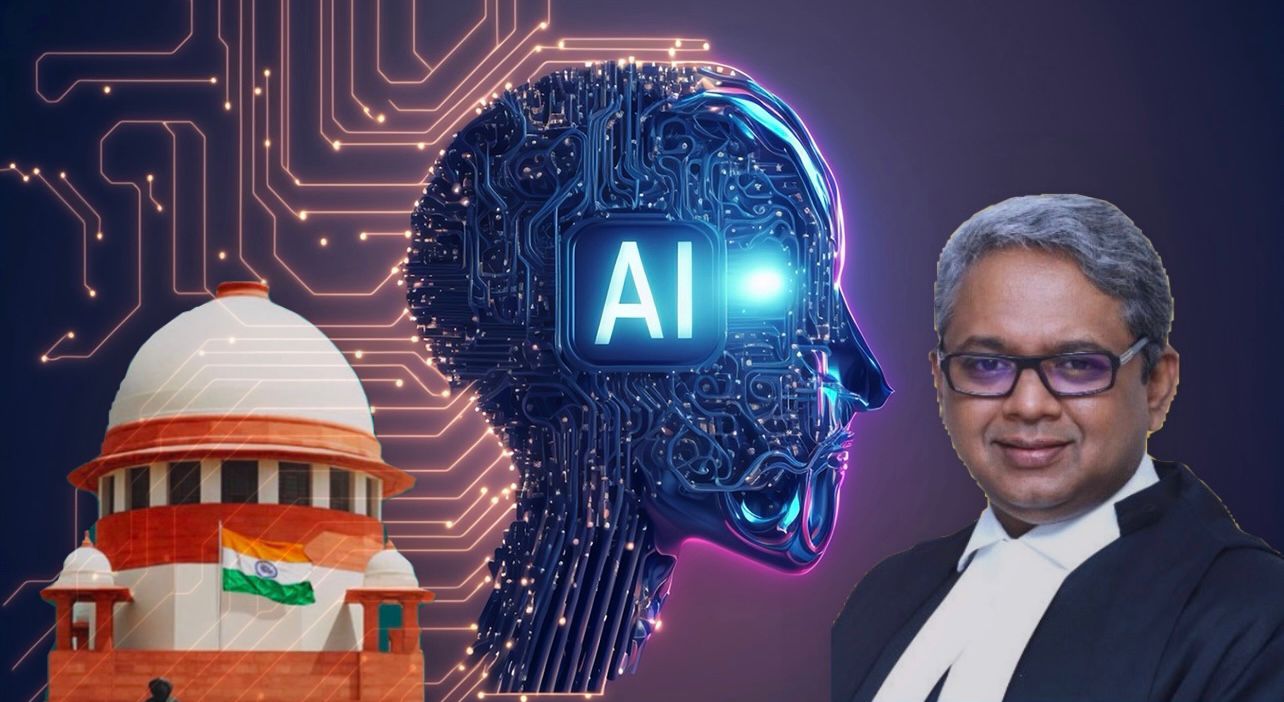
Hon'ble Chief Justice of India Surya Kant has reconstituted the Supreme Court’s Artificial Intelligence Committee, underscoring the judiciary’s sustained commitment to integrating technology into the justice delivery system. The revamped committee will now be chaired by Justice P.S. Narasimha.
The other judges part of the reconstituted committee are Justice Sanjeev Sachdeva, Chief Justice of the High Court of Madhya Pradesh, Justice Raja Vijayaraghavan V, Judge of the High Court of Kerala and Justice Anoop Chitkara, Judge of the High Court of Punjab & Haryana.
To assist the committee, Anupam Patra, Officer on Special Duty (OSD) (Registrar) (Technology) at the Supreme Court of India, will serve as its Secretary-member and Convenor, tasked with coordinating the committee’s functions and activities.
The reconstituted committee will continue to provide strategic guidance and oversight for initiatives relating to the adoption, development, and deployment of artificial intelligence across the Supreme Court and the subordinate judiciary. By coordinating and monitoring these efforts, the committee seeks to ensure that AI tools meaningfully support judges, court staff, and litigants.
Its mandate includes streamlining judicial processes—such as case management, scheduling, and documentation—to reduce delays and enhance overall efficiency. The initiatives also aim to improve accessibility for litigants, making court procedures more navigable and user-friendly. A further objective is to strengthen transparency within the judicial system by ensuring clearer and more accountable processes..
Justice Suraj Govindaraj exemplifies this new judicial epoch whose decisions bridge the gap between rigid statutory frameworks and rapidly changing realities.
Born on May 14, 1973, Justice Govindaraj’s path to the bench was shaped by the intellectually rigorous environment of the National Law School of India University (NLSIU), followed by a wide-ranging practice across civil, commercial, constitutional, and intellectual property law. Appointed as an Additional Judge on September 23, 2019, and confirmed as a Permanent Judge in March 2021, his tenure has unfolded during a pivotal phase in India’s legal development—from the post-privacy judgment era to the pandemic-driven digital shift and the recent overhaul of criminal laws.
Justice Govindaraj’s influence extends beyond case disposal and lies in the depth and consistency of his judicial philosophy. His body of work is anchored in several distinct pillars: Technological Constitutionalism (leveraging technology to safeguard rights), Dignity Jurisprudence (shielding the accused from state-induced humiliation), Commercial Certainty (clarifying debt prioritisation and arbitration frameworks), and a Modern Family Law approach (promoting shared parenting and sensitivity under POCSO).