Mahabharat is a conflict between competing forms of “good,” each grounded in its own sense of dharma.
Today evening 18 December 2026, the Advocates of Bengaluru performed drama titled "Bhagavad Gita or Dharma Rajya Sthapane". The music, performance and the direction - all magnificent.
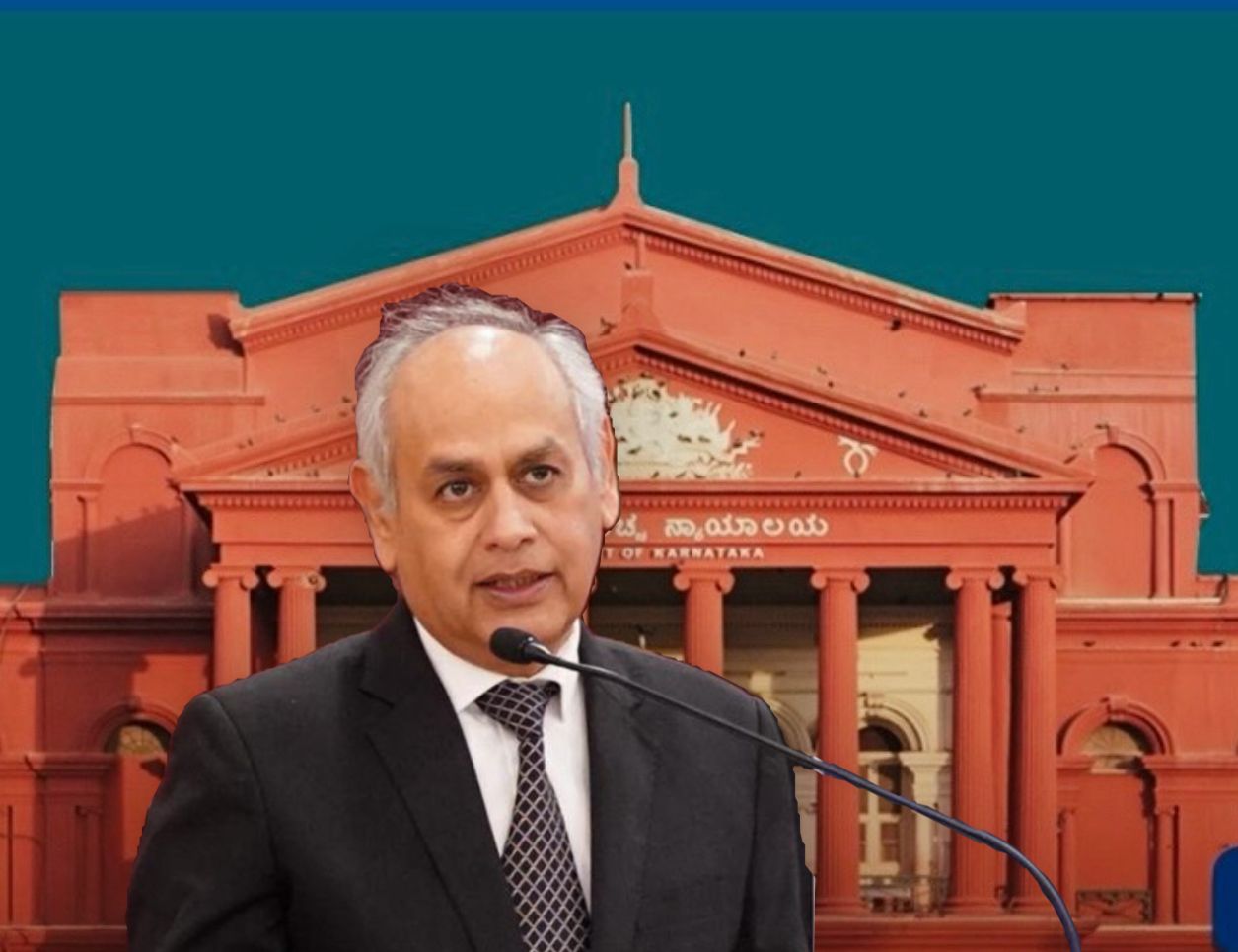
As the chief guest, Karnataka High Court Chief Justice Vibhu Bakru said "Mahabharat is a conflict between competing forms of “good,” each grounded in its own sense of dharma". This made me re-think about the very concept of the conflict which hitherto perceived as a fight between good and bad. It dislodged the very notion I was living under
I dialed my great friend and philosopher and we discussed this for few minutes.
Here is the essence of Mahabharatha and how it is perceived as conflict between two good ideals.
The Mahabharata is often misunderstood as a simple moral tale of good versus evil. In reality, it presents a far more complex ethical universe—one where the central conflict is largely between competing forms of “good,” each grounded in its own sense of dharma.
First, almost every major character acts from a position of moral reasoning rather than sheer wickedness. Yudhishthira stands for truth, restraint, and moral order; Bhishma represents duty and loyalty taken to an extreme; Karna embodies generosity, gratitude, and personal honour; Arjuna values righteousness but struggles with compassion and doubt. None of these figures can be dismissed as “bad”—yet they stand on opposing sides of the battlefield.
Second, the war arises not from the absence of dharma, but from conflicting dharmas. Dharma is not absolute or uniform; it changes with role, time, and circumstance. For Bhishma, loyalty to the throne is supreme dharma. For Karna, fidelity to Duryodhana—who stood by him when society rejected him—is a moral obligation. For the Pandavas, reclaiming their rightful kingdom and restoring justice is their dharma. Each path is morally defensible, yet mutually incompatible.
Third, the epic deliberately blurs moral clarity by showing how adherence to one virtue often requires the sacrifice of another. Truth conflicts with compassion, loyalty with justice, duty with conscience. Even Krishna, the divine guide, endorses strategic deception to uphold a larger moral order, suggesting that pure goodness in action may demand morally troubling choices.
Finally, the Mahabharata insists that tragedy emerges not because evil triumphs, but because good people, bound by different moral imperatives, cannot all be right at the same time. The war becomes inevitable when reconciliation fails, not due to moral bankruptcy, but due to moral rigidity.
Thus, the Mahabharata is a profound exploration of ethical complexity. It teaches that life’s deepest conflicts are rarely between right and wrong; they are between right and right, where every choice carries loss, and moral clarity is achieved only through painful self-reflection.
S. Basavaraj
Senior Advocate
Member, Karnataka State Bar Council