Log In
Sign Up
9980065416
Toggle navigation
HOME
BARE ACTS
JUDGMENTS
ARTICLES
NEWS
SEMINARS
LAWYERS DIRECTORY
Courts
ಕನ್ನಡ
Search
Sign Up
Judgements
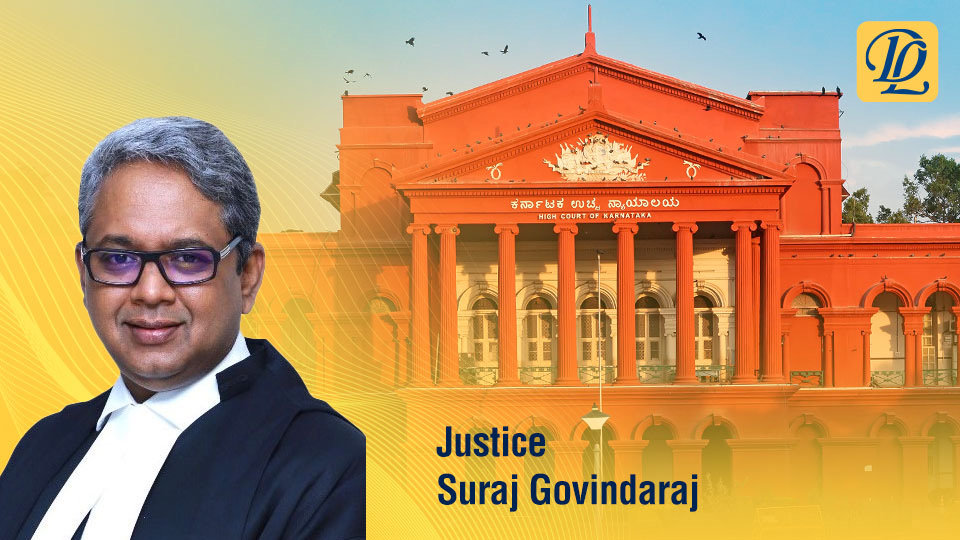
Criminal Law. Tender and acceptance of pardon is a judicial act granting relief to the approver. Once accepted, the approver ceases to be an accused and is not liable for punishment. Such pardon, being a judicial order, cannot be revoked merely on a certificate issued by the Public Prosecutor; revocation is permissible only if the Court, on a prima facie assessment, finds a violation of the conditions of pardon. Karnataka High Court.
07-February-2026
Daksha Legal
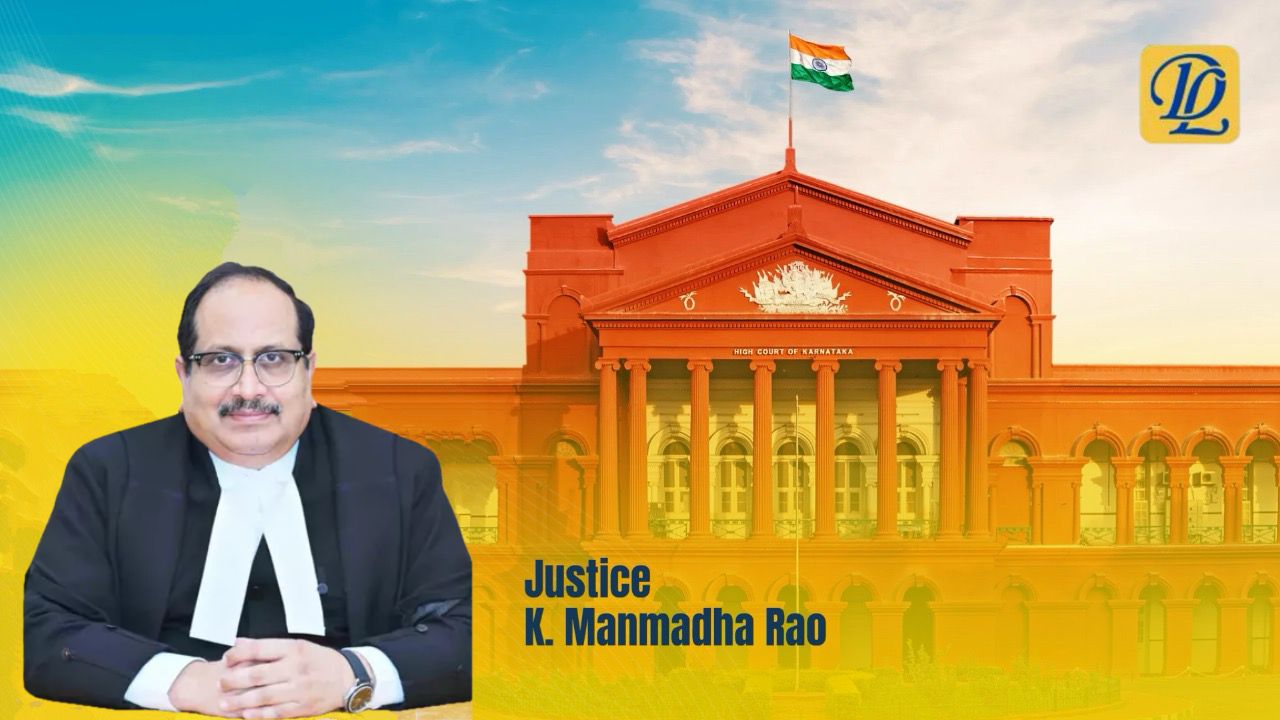
Joint family property purchased in the names of a female member and a minor son using the family's nucleus is deemed to be joint family property. Where there is no proof of independent income by the named purchasers, the property must be shared equally among all branches of the family to prevent the unjust deprivation of inheritance rights to other legal heirs. Karnataka High Court.
06-February-2026
Daksha Legal
A decree for an injunction granted by a Civil Court serves as conclusive proof of lawful possession in land reform proceedings. The Land Tribunal cannot grant occupancy rights over a specific portion of land to a claimant if a rival claimant’s possession of that same portion is protected by a valid civil court decree, unless there is clear evidence of a subsequent surrender of tenancy or a change in possession through legal means. Karnataka High Court.
06-February-2026
Daksha Legal
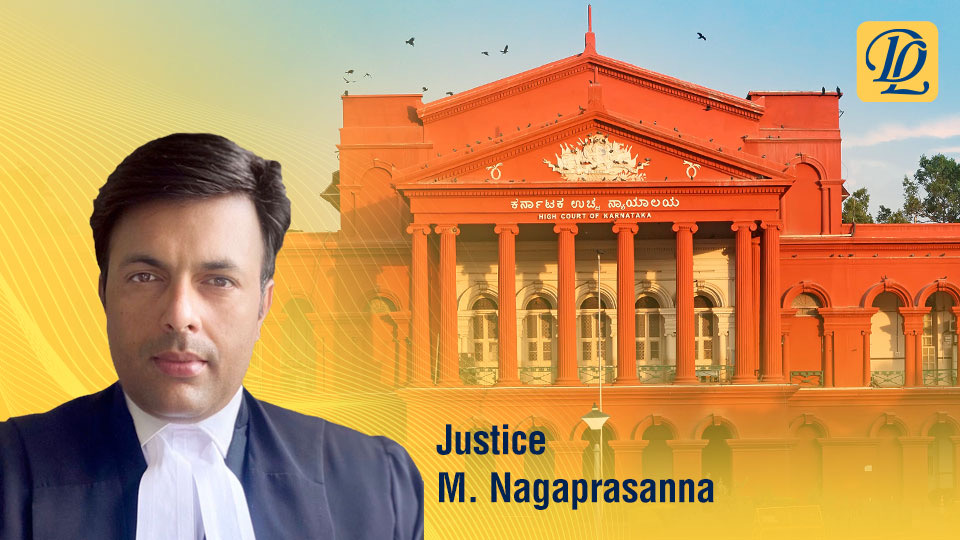
The quantum of maintenance awarded to a spouse must be based on a precise and accurate assessment of the husband's actual income as reflected in the evidence. When the husband has got no such means to maintain and is overburdened, the wife cannot claim that she is required to be maintained by the husband whatever be the circumstances in which he is placed. Karnataka High Court.
06-February-2026
Daksha Legal
Rejection of plaint. Where a suit is based on a transaction that is patently void under a statute and the transaction sought to be enforced is a nullity, the Court is duty-bound to reject the plaint at the threshold rather than subjecting the parties to a full trial. Karnataka High Court.
06-February-2026
Daksha Legal
Civil Procedure Code. Plaint cannot be rejected under Order VII Rule 11(d) simply because it is filed before a non-Commercial Court when it ought to have been filed before a Commercial Court. The proper course of action is to return the plaint for presentation before the correct jurisdictional court. Karnataka High Court.
05-February-2026
Daksha Legal
Land Acquisition Act. A request for a reference under Section 18 that is barred by the law of limitation cannot be revived or validated by a subsequent direction of the Lok Adalat. However, the dismissal of a Section 18 application solely on the grounds of limitation does not act as a bar to the land loser's right to maintain an independent application for re-determination of compensation under Section 28A of the Act. Karnataka High Court.
05-February-2026
Daksha Legal
Motor Vehicles Act. Where a motor vehicle is operated in blatant violation of statutory requirements specifically lacking a valid permit and registration, such breaches constitute fundamental policy violations. In such instances, the Insurance Company is not liable to indemnify the owner or satisfy the award. Karnataka High Court.
05-February-2026
Daksha Legal
BNSS 2023. Section 173(4). Refusal to register complaint is different from rejection of the complaint on merits. Where the complaint is rejected on merits, the complainant is entitled to challenge the legality of such rejection directly, including by invoking the Writ jurisdiction, without approaching the Superintendent of Police. Karnataka High Court.
05-February-2026
Daksha Legal
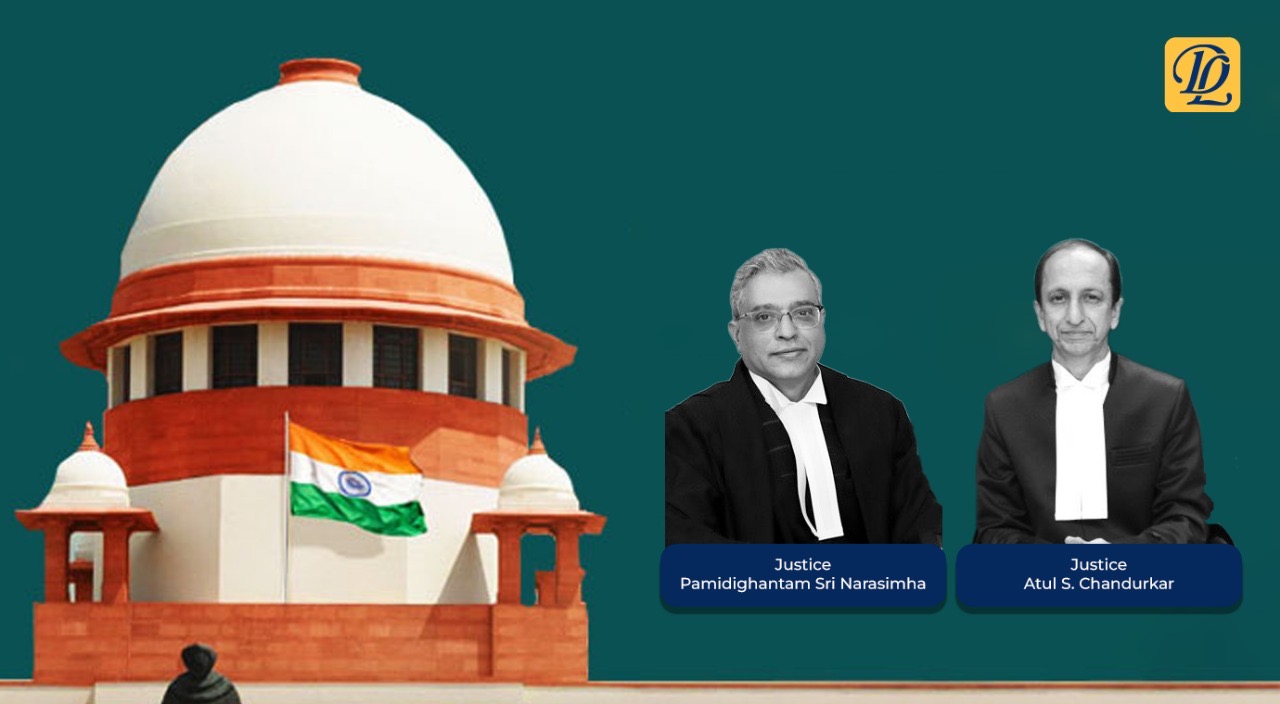
Arbitration and Conciliation Act. A Court possesses the jurisdiction to retrospectively extend the mandate even after the period has lapsed, provided ‘sufficient cause’ is shown. While an award rendered after the expiry of the mandate is unenforceable per se, a subsequent judicial extension under Section 29A(4) validates the proceedings and the award, ensuring that the arbitral process is not rendered a nullity due to procedural delays. Supreme Court.
04-February-2026
Daksha Legal
Hindu Succession Act. Any property possessed by a female Hindu regardless of whether it was acquired before or after the Act's commencement is held by her as an absolute owner. Unless the property was acquired via an instrument, decree, or award that explicitly prescribes a restricted or limited estate under Section 14(2), the property remains her absolute property and is not liable for partition as joint family property. Karnataka High Court.
04-February-2026
Daksha Legal
Criminal Law. Mere pendency of civil suits or the existence of a civil remedy does not impede the investigation of grave and cognizable offences. Where a complaint contains detailed allegations of a criminal conspiracy involving impersonation, forgery, and the fabrication of public documents to misappropriate property, the criminal proceedings cannot be quashed at the threshold on the ground that the dispute is ‘purely civil’ in nature. Karnataka High Court.
04-February-2026
Daksha Legal
««
«
1
...
46
47
48
49
50
...
492
»
»»