Log In
Sign Up
9980065416
Toggle navigation
HOME
BARE ACTS
JUDGMENTS
ARTICLES
NEWS
SEMINARS
LAWYERS DIRECTORY
Courts
ಕನ್ನಡ
Search
Sign Up
Search by Citation
|
Daksha Legal
-
Year
2026
-
Court
-
Go
Judgements
Section 125 Cr.P.C. An application under Section 125(4) alleging adultery must be decided between the order granting interim maintenance and final adjudication of such application for maintenance since adultery, if proved, takes away maintenance. Supreme Court. 2026 Daksha Legal SC 301
03-August-2026
Daksha Legal
Non refund of refundable security deposit in a failed real estate project does not amount to cheating within the meaning of Section 420 IPC especially when the arbitration award is passed determining the liabilities of both parties in terms of their contractual obligations. Supreme Court.
05-August-2026
Daksha Legal
Prevention of Corrutpion Act. Demand or recovery need not be conclusively established at FIR stage. Absence of proof regarding demand or recovery may become relevant for discharge or acquittal, but it is not by itself a ground for quashing the FIR. The High Court cannot conduct a detailed assessment of evidence, credibility of witnesses or probabilities while deciding a Section 482 petition. Supreme Court
04-August-2026
Daksha Legal
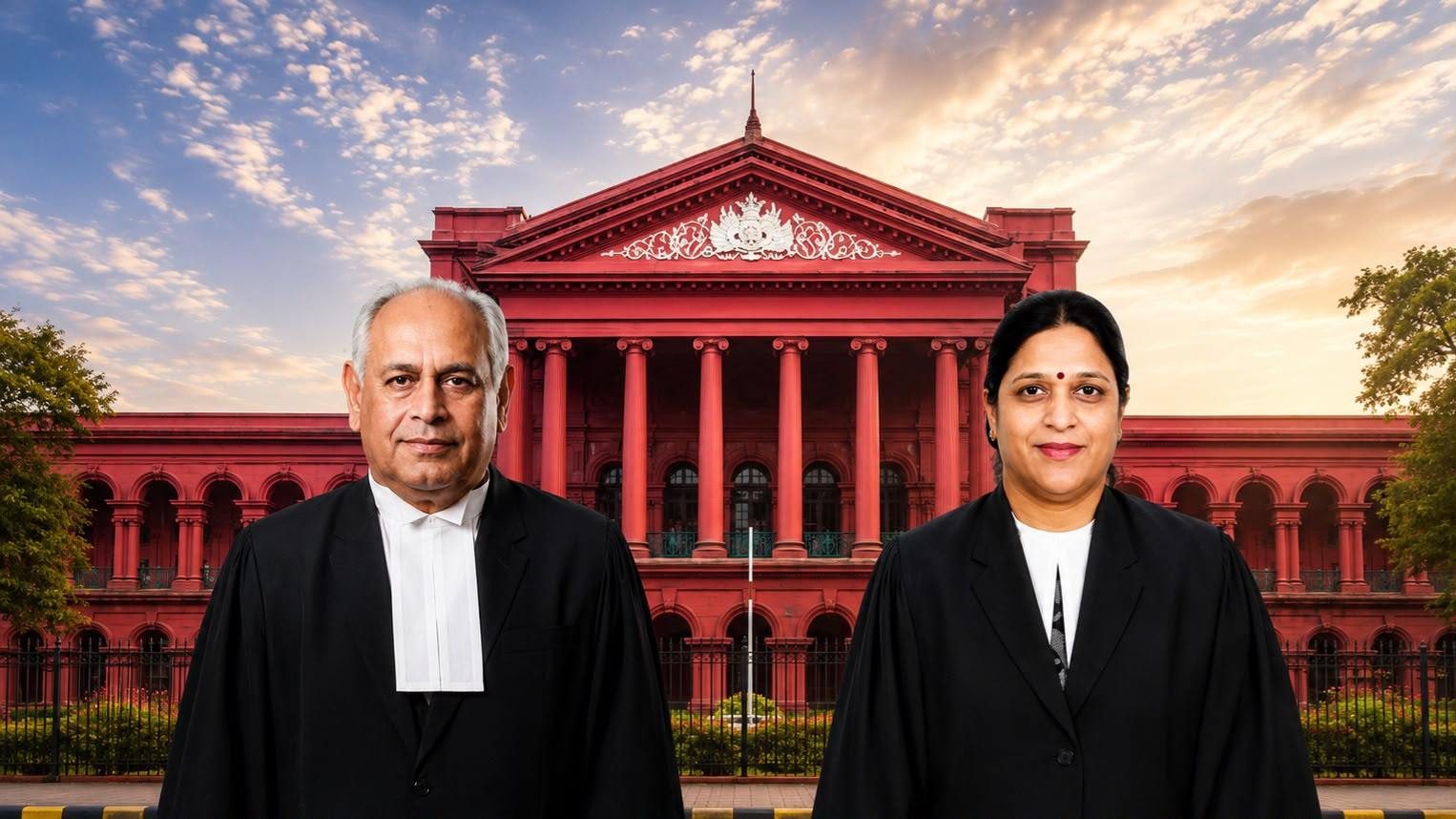
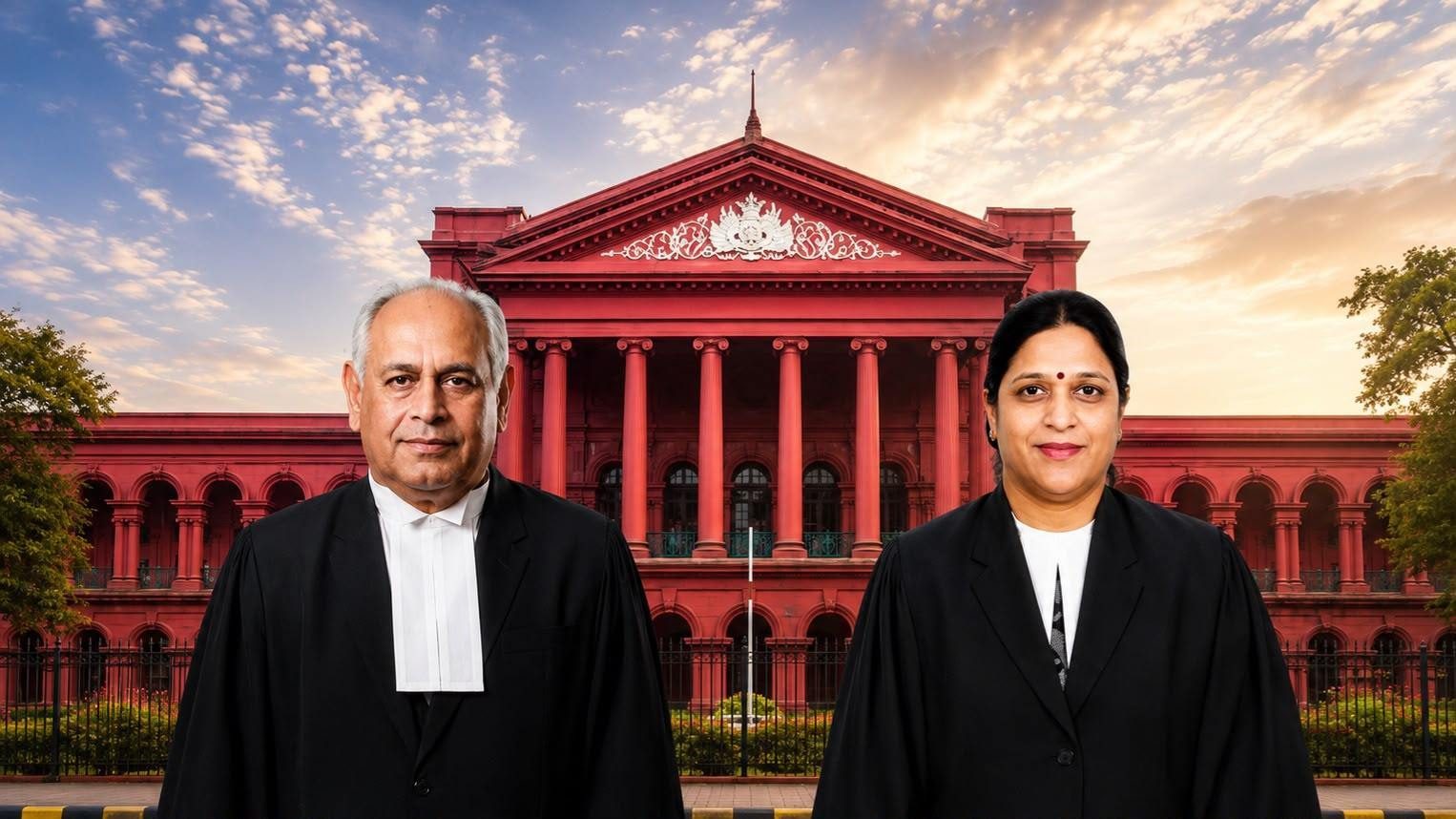
‘’The doctrine of reading down is a constitutional bridge between legislative supremacy and judicial review’’. Karnataka High Court while reading down the Karnataka amendment to CPC. 2026 Daksha Legal Kar 797
31-July-2026
Daksha Legal
The power to receive a written statement beyond the prescribed period of 120 days in civil suits shall be exercised by the Civil Courts only upon recording reasons demonstrating the existence of exceptional and compelling circumstances and in exceptionally rare cases where refusal would result in grave miscarriage of justice. Karnataka High Court. 2026 Daksha Legal Kar 797
31-July-2026
Daksha Legal
The statutory right of a landowner to receive fair compensation through additional Transferable Development Rights vests absolutely upon the successful development and handover of a designated public amenity. A public authority cannot withhold, reduce, or delay this statutory compensation by linking it to independent maintenance agreements or subsequent contractual disputes. Supreme Court.
01-August-2026
Daksha Legal
Karnataka Motor Vehicles Taxation Act. An officer not below the rank of an Inspector of Motor Vehicles possesses the statutory authority to seize and detain a motor vehicle for tax evasion. Transport authorities can cancel a vehicle’s registration upon detecting that registration was obtained through fabricated or fraudulent documents. Karnataka High Court.
01-August-2026
Daksha Legal
Payment of Gratuity Act. Gratuity payable on the death of an employee does not form part of the deceased employee's estate and, therefore, is not liable to attachment in execution proceedings. Karnataka High Court.
01-August-2026
Daksha Legal
SARFAESI Act. Courts exercising writ jurisdiction cannot rewrite contractual terms or impose a One-Time Settlement (OTS) contract upon a financial institution. Where a borrower fails to pay the OTS amount within the agreed or reasonable timeframe, the Bank cannot be legally compelled to accept delayed or defaulted OTS installments. Karnataka High Court.
01-August-2026
Daksha Legal
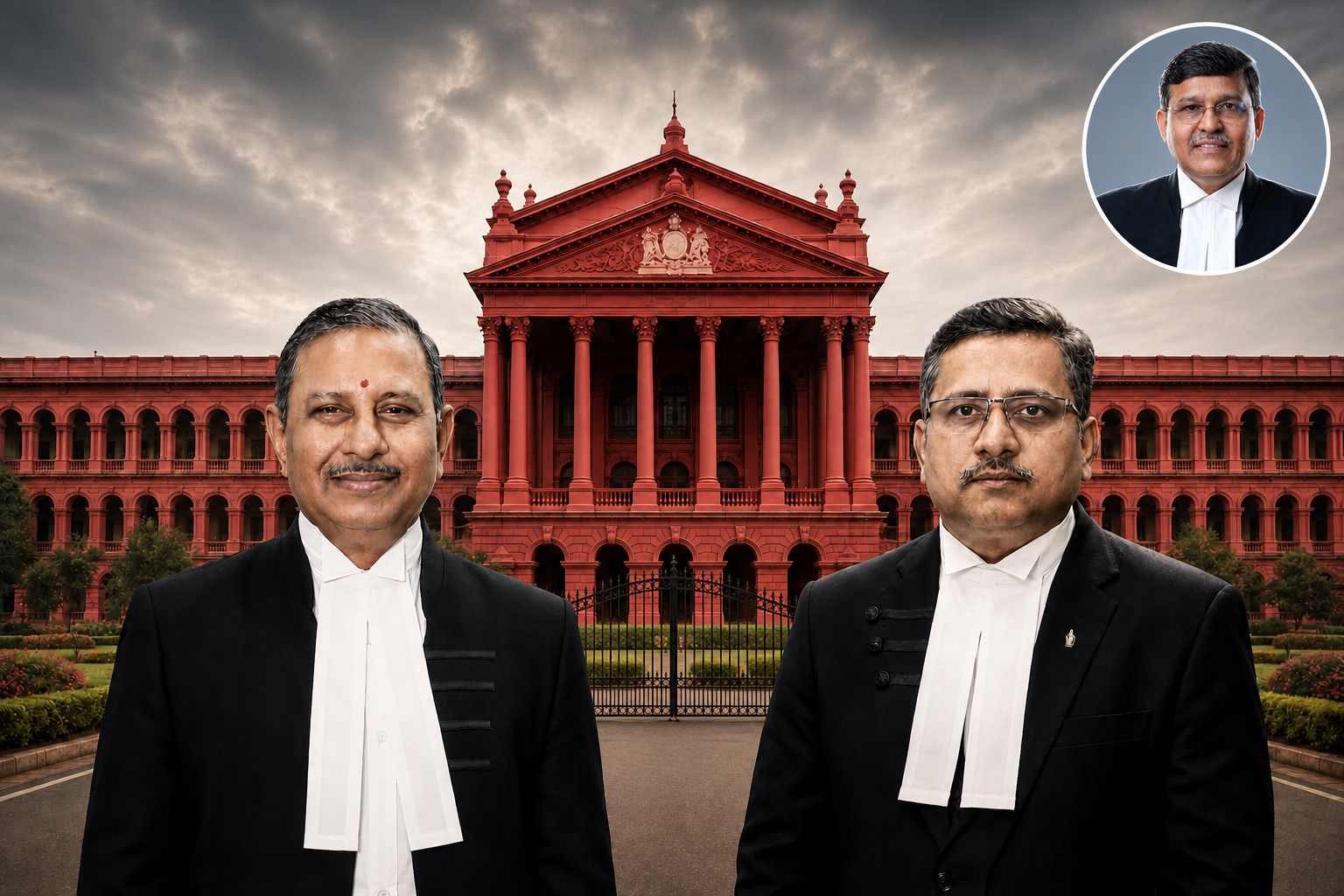
NICE Project. Karnataka Industrial Areas Development Act. Even in the absence of an express ‘lapsing’ provision, the admitted failure on the part of the authorities to pass the awards for many decades coupled with the absence of any satisfactory explanation for such an inordinate delay renders the land acquisition proceedings unsustainable. Karnataka High Court.
01-August-2026
Daksha Legal
Motor Vehicles Act. A claimant must establish at least one of the statutory criteria—place of accident, or the residence/place of business of the claimant or respondent. A mere assertion of temporary residence, unsupported by evidence, is insufficient. Where the accident occurred outside the jurisdiction, all parties reside outside it, and the insurer has no branch office there, the MACT lacks territorial jurisdiction, rendering its award void ab initio and non est in law. Karnataka High Court.
31-July-2026
Daksha Legal
Mysore Hindu Law Women's Rights Act, 1933. When joint family property devolves upon a sole surviving male coparcener prior to the commencement of the Hindu Succession Act 1956, the female heirs would also acquire right over the joint family property. Karnataka High Court.
30-July-2026
Daksha Legal
««
«
1
...
12
13
14
15
16
...
506
»
»»